
Spanish-speaking loan agencies: what to expect and how to prepare
By Petra Nathan · Updated 2026-08-19
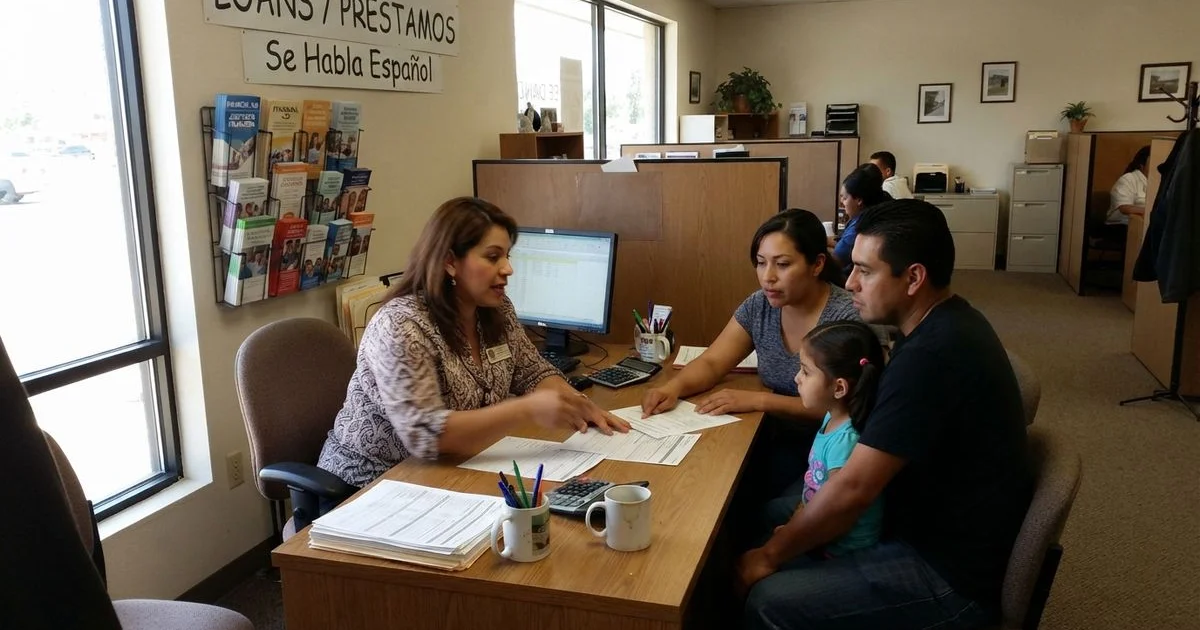
Finding a lender where staff speak Spanish solves one problem: being understood clearly during the conversation. It does not automatically mean the loan terms, documentation requirements, or contract language work the same way. Knowing what to check ahead of time makes the whole process smoother.
What “Spanish-speaking service” actually covers
Lenders in this category typically have staff who can walk you through the application, answer questions, and explain terms in Spanish. What varies more is whether the written loan contract itself is available in Spanish, or only in English after a spoken explanation. Since the signed contract is the legally binding document, it is worth asking directly whether a Spanish-language version exists, and if not, taking time to have the English terms explained clearly before signing.
Questions worth asking before you apply
| Question | Why it matters |
|---|---|
| Is the loan contract available in Spanish? | The signed document is what legally governs the loan |
| Does staff explain fees and APR clearly in Spanish? | Ensures you understand the real cost, not just the pitch |
| What forms of ID are accepted? | Some lenders accept an ITIN or foreign-issued ID, others do not |
| Is a cosigner or proof of U.S. address required? | Requirements vary by lender and loan type |
Documents to bring
Most lenders ask for the same basic documents regardless of language of service:
- A government-issued photo ID, or an alternative the lender accepts
- Proof of income, such as recent pay stubs or bank statements
- Proof of address, such as a utility bill or lease
- A Social Security number or ITIN, depending on what the lender accepts
If any of your documents are issued outside the U.S. or are in Spanish, calling ahead to confirm the lender accepts them can save a wasted trip.
Comparing terms the same way you would anywhere
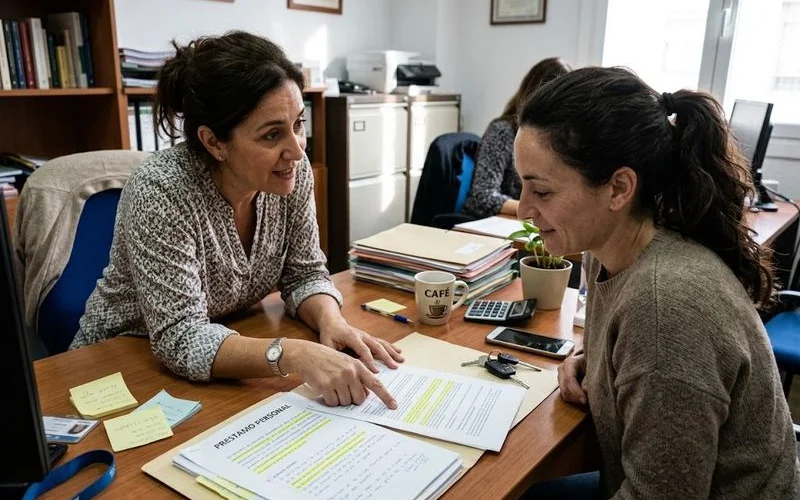
Language of service does not change what makes a loan a good or bad deal. The same questions apply: what is the APR, what is the total repayment amount, and what happens if a payment is missed. A lender explaining these clearly in your preferred language is genuinely useful, but it is not a substitute for comparing that lender’s actual terms against another one.
Making the most of the visit
- Ask upfront whether the full contract, not just the conversation, will be in Spanish
- Bring documents ready rather than assuming what will be accepted
- Ask the same cost and repayment questions you would ask any lender
- Take the paperwork home to review if the lender allows it, rather than deciding on the spot
Comparing a few Spanish-speaking lenders in your area lets you see which ones offer both clear communication and competitive terms. If credit history is thin because of a limited U.S. financial footprint, the guide on getting approved with bad credit or no credit history covers how lenders weigh that separately from language of service. This guide is general information, not financial advice; document requirements and contract language availability vary by lender, so confirm specifics directly before applying. See our ranking methodology for how this directory evaluates listings.
Questions people ask
- Are loan terms different at Spanish-speaking lenders?
- Not inherently. Offering service in Spanish is about communication, not different loan products or terms. Compare rates and fees the same way you would at any lender.
- Do I need to bring a translator if the lender says they speak Spanish?
- Usually not for the conversation itself, but written contracts are often in English even when staff speak Spanish. Ask specifically whether a Spanish translation of the contract is available, and read it closely either way.
- Can I apply for a loan without a Social Security number?
- Some lenders accept an Individual Taxpayer Identification Number (ITIN) instead. This varies significantly by lender, so ask directly before applying rather than assuming.
- What documents should I bring to a Spanish-speaking lender?
- The same documents any lender requires: photo ID, proof of income, and proof of address. If your ID or income documents are in Spanish or issued outside the U.S., ask in advance whether the lender accepts them.