
Getting approved for a loan with bad credit or no credit history
By Petra Nathan · Updated 2026-07-27
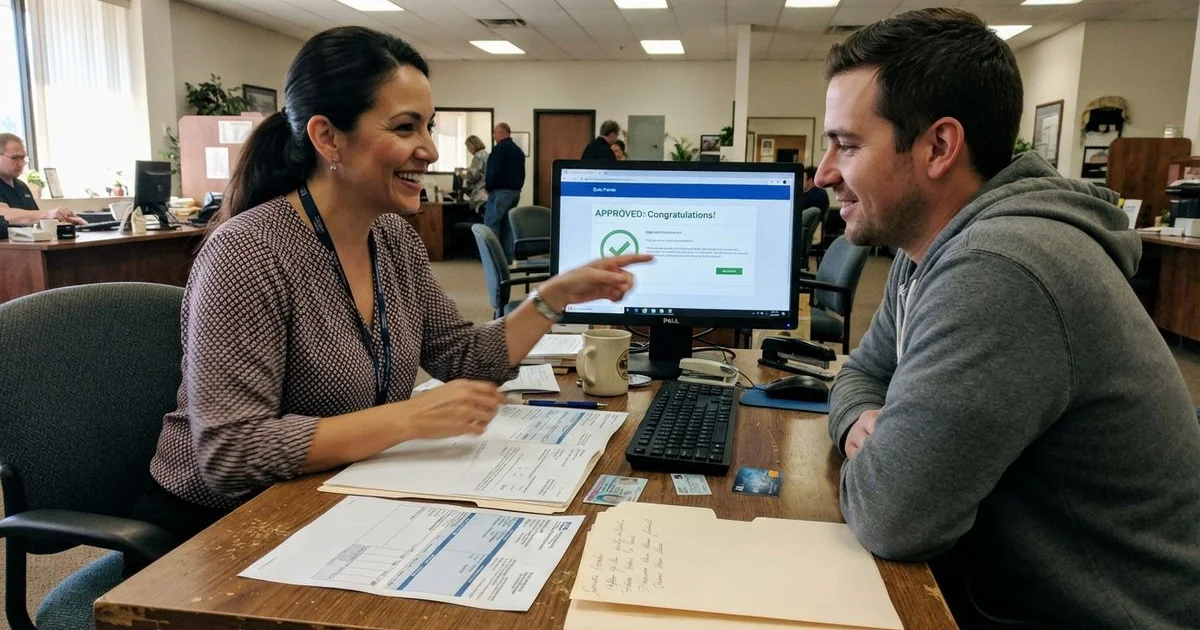
Bad credit and no credit history get lumped together, but they are different problems to a lender. Bad credit means there is a track record, and it shows missed or late payments. No credit history means there is no track record at all. Knowing which one applies to you changes what actually helps.
Bad credit vs no credit history
If you have bad credit, a lender can see specifically what went wrong: late payments, a default, high balances relative to your limits. If you have no credit history, there is nothing negative to see, but also nothing to prove you will repay reliably. Some lenders treat a thin file more favorably than damaged credit, since there is no evidence of a problem, just an absence of data.
| Situation | What a lender sees | What tends to help |
|---|---|---|
| Bad credit (damaged history) | Late payments, defaults, high utilization | Recent on-time payments, lower balances, time |
| No credit history (thin file) | No score or very limited data | Steady income and employment, bank account history |
What actually moves the needle
For bad credit, the fastest lever is usually reducing what you owe on existing revolving accounts, since utilization affects your score quickly. Making the next several payments on time, even small ones, also starts to offset older negative marks over time.
For no credit history, income and employment stability carry more weight than they would for a borrower with an established score. A steady job, a checking account with consistent deposits, and a lower requested loan amount relative to your income all help a lender feel comfortable extending credit for the first time.
What lenders that specialize in this actually check
Bad-credit-friendly lenders typically do not ignore credit entirely, they weigh it differently:
- Current income and how consistent it is
- Existing debt payments relative to income
- How recent negative marks are, versus how old
- Whether you have a bank account in good standing, which some lenders check instead of or alongside credit
Before you apply
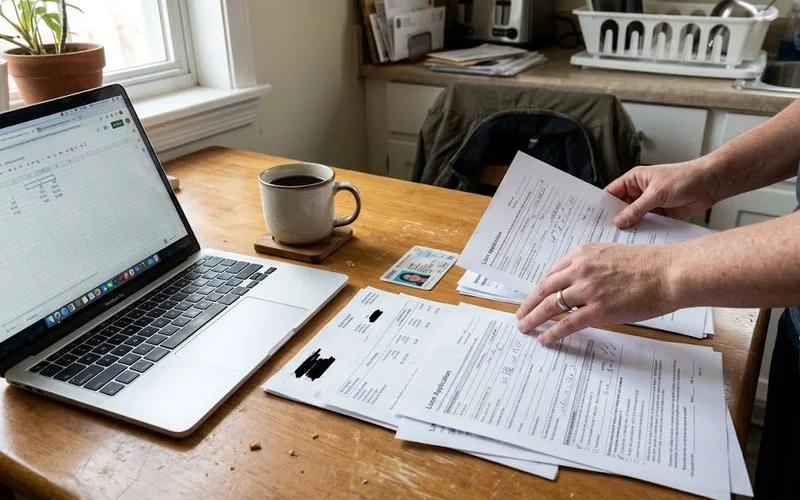
A few small steps before applying can improve your odds without taking weeks:
- Pull your own credit report and check for errors; disputing an inaccurate late payment can raise your score
- Pay down revolving balances if you can, even partially, since utilization is one of the faster-moving factors
- Have proof of income and a few months of bank statements ready, since thin-file lenders lean on these more
- Ask the lender upfront what their minimum requirements are before a hard credit pull happens
Making the decision
If you are approved, compare the total cost against what you actually need. A smaller loan amount at a higher rate can sometimes cost less overall than a larger loan you did not need in the first place. Comparing a few bad credit and no credit check lenders side by side, and asking each what they weigh most heavily, is a reasonable way to find the best fit for your specific situation. If the bad credit comes from an ongoing gap between income and bills rather than a one-time setback, free credit counseling is worth exploring before you take on new debt. This guide is general information, not financial advice; underwriting standards vary by lender, so confirm requirements directly before applying. See our ranking methodology for how listings on this directory are scored.
Questions people ask
- Can I get a loan with no credit history at all?
- Yes, though it is a different challenge than bad credit. Lenders that specialize in thin-file borrowers often weigh income, employment, and bank account history more heavily since there is no credit score to lean on.
- What credit score counts as bad credit for loan approval?
- Lenders vary, but scores below roughly 620 are commonly treated as a higher-risk tier. Some lenders work with scores well below that; they typically price the loan higher to offset the added risk.
- Will applying with several bad-credit lenders hurt my score more?
- Multiple hard inquiries in a short window can cause a small, temporary dip, though many scoring models treat loan-shopping inquiries within a two-week window as a single inquiry. Ask upfront whether a lender does a soft or hard pull before applying.
- Do bad-credit loans always have higher interest rates?
- Generally yes, since the rate reflects the lender's added risk. The gap between a strong-credit rate and a bad-credit rate can be significant, which is why comparing more than one offer matters even more in this situation.