
Is this loan predatory? Red flags and your rights as a borrower in Texas
By Petra Nathan · Updated 2026-07-29

Not every expensive loan is predatory, and not every predatory practice is obviously illegal. The distinction usually comes down to whether a lender is being upfront about cost and risk, or structuring the deal to keep you paying without ever getting ahead. Knowing the pattern helps you spot it before you sign.
What predatory lending actually looks like
Predatory practices tend to share a few traits: the total cost is hard to find until you ask directly, the lender pushes you toward a loan larger than you need, or repeated rollovers and refinances keep you paying fees without reducing what you owe. None of these require an illegal act on their own, which is part of why they are hard to spot from a single interaction.
Red flags worth taking seriously
| Red flag | Why it matters |
|---|---|
| Reluctance to disclose the total repayment amount upfront | A legitimate lender can and should tell you this before you sign |
| Pressure to sign quickly, “today only” pricing | Urgency tactics discourage comparison shopping |
| Encouraging a larger loan than you asked for | Increases fees and risk without benefiting you |
| Repeated rollover or refinance offers instead of a payoff plan | Can trap you in an ongoing fee cycle |
| No visible license or refusal to provide one | A licensed lender should be able to confirm this on request |
| Unsolicited offers or aggressive follow-up contact | Legitimate lenders generally do not need to chase you |
This last point echoes something borrowers report fairly often across lender reviews: unsolicited marketing mail and aggressive follow-up are common enough complaints that they are worth watching for, even from otherwise licensed businesses.
Your rights as a Texas borrower
Texas requires lenders that arrange payday and title loans to be licensed as credit access businesses through the Office of Consumer Credit Commissioner, and to disclose fees and total repayment amounts before you sign. You are entitled to:
- A clear, written disclosure of the total cost before signing
- Confirmation of the lender’s license status on request
- A copy of your signed loan agreement
- The ability to file a complaint with the OCCC if you believe a lender violated disclosure or licensing rules
What to do if something feels off
- Ask directly for the total dollar amount you will repay, not just the rate or fee percentage
- Request the lender’s license number and verify it independently if you have doubts
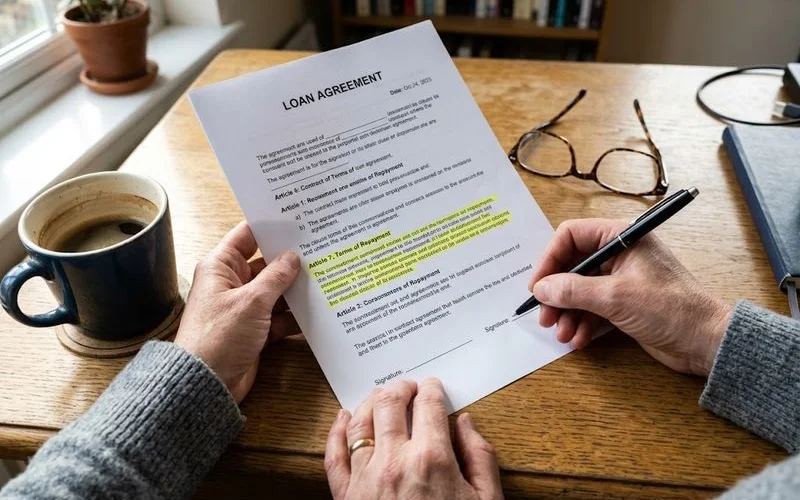
- Take the paperwork home to read before signing, if the lender allows it
- If you believe you were misled, document what was said versus what the contract states, and file a complaint with the OCCC
Where legitimate lenders fit in
Most storefront and online lenders are not predatory, they are simply running a business at a price point that reflects risk. The goal here is not to avoid lending altogether, it is to recognize the handful of practices that separate a fair, if expensive, loan from one designed to trap you. Comparing licensed, reviewed lenders in your area before you commit gives you a baseline for what normal terms look like. This guide is general information, not legal advice; if you believe a lender broke the law, consult the OCCC or a consumer protection attorney. See our ranking methodology for how we evaluate listings on this site.
Questions people ask
- What makes a loan predatory rather than just expensive?
- Cost alone does not make a loan predatory. The pattern to watch for is a lender structuring terms to trap you in repeated fees, hiding the total cost, or pressuring you into a loan you clearly cannot repay.
- How can I check if a Texas lender is licensed?
- The Office of Consumer Credit Commissioner (OCCC) maintains license records for credit access businesses and other regulated lenders in Texas. A legitimate storefront should be able to provide its license number on request.
- What should I do if I think I was misled about loan terms?
- Document everything you were told and what the paperwork actually says, then file a complaint with the OCCC. If the amounts involved are significant, consider consulting a consumer protection attorney or a legal aid organization.
- Can I get out of a loan if I later realize it was a bad deal?
- Once signed, a loan agreement is generally binding, though some loans carry a short right-to-cancel window. If terms were misrepresented, that is a different issue and worth reporting, but simply regretting the loan does not void the contract.