
Helping an aging parent avoid predatory lenders
By Petra Nathan · Updated 2026-08-12
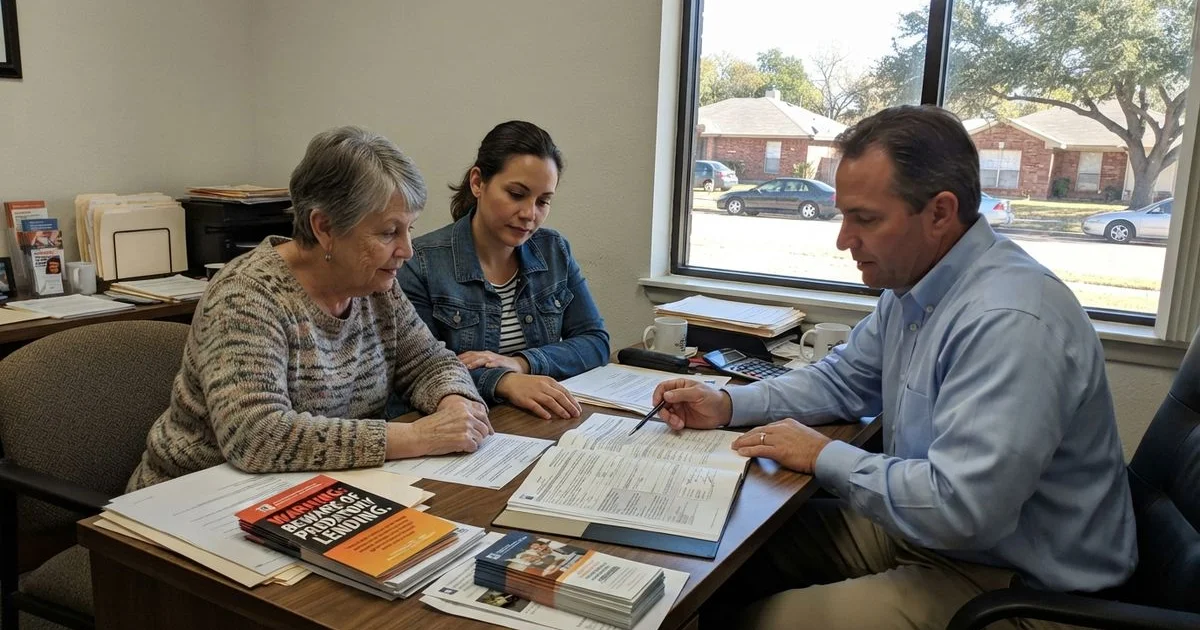
Helping a parent manage money as they get older is rarely a single conversation. It usually starts small, checking in on a bill, noticing an unfamiliar loan offer in the mail, and grows from there. Predatory lending specifically targets the traits that come with aging: a fixed income, built-up home equity, and sometimes less familiarity with how loan terms have changed over the years.
Why older borrowers are targeted
Predatory lenders look for borrowers who are more likely to say yes without shopping around, and who have assets, like home equity, that make a larger loan possible. Reduced day-to-day exposure to how loan products work today, isolation, or a recent life change like widowhood can all make someone more receptive to a fast, high-pressure offer. None of this reflects poor judgment; it reflects a pattern that predatory lenders specifically design their pitch around.
Warning signs worth watching for
| Sign | Why it matters |
|---|---|
| Unsolicited loan offers arriving by mail or phone | Legitimate lenders rarely need to cold-pitch aggressively |
| Pressure to sign quickly or “act today” | Discourages comparison shopping or a second opinion |
| A loan secured against the home for an unclear purpose | Home equity puts a major asset at risk |
| Reluctance to explain the total cost clearly | A legitimate offer should hold up to questions |
| Repeated refinancing of the same loan | Can generate fees without benefiting the borrower |
How to bring it up without overstepping
Most people do not want to feel like their independence is being questioned. Framing the conversation around review, not control, tends to work better: offering to look over any loan or refinance paperwork together before it is signed, the same way you might review any other important document. That framing keeps the parent in charge of the decision while adding a second set of eyes.
If a loan already looks like a problem
- Gather all the paperwork, including anything mailed or emailed about the offer
- Check whether the lender is licensed with the state’s regulator
- Compare the total repayment amount in the contract against what your parent believes they agreed to
- If the terms look clearly predatory, or your parent was misled, involve a consumer protection attorney or file a complaint with the state regulator

Longer-term protections worth discussing
For ongoing peace of mind, some families set up a financial power of attorney or add a trusted person to receive copies of account statements, so unusual activity is easier to catch early. These tools carry real legal weight and are worth setting up deliberately, ideally with an elder law attorney, rather than rushed into after a problem has already appeared. If your parent is asking you, rather than a lender, to cosign a loan for them, that carries different obligations; see cosigning a loan for a family member before agreeing.
This guide is general information, not legal or financial advice. Every family’s situation and every state’s protections differ, so consult an elder law attorney or the appropriate state regulator for guidance specific to your situation. Learn more about how this directory evaluates lenders in our ranking methodology.
Questions people ask
- Why are older adults targeted by predatory lenders?
- Fixed incomes, home equity, and sometimes reduced familiarity with newer loan products can make older borrowers appealing targets for lenders pushing high-cost or unnecessary loans.
- How do I bring this up without my parent feeling controlled?
- Frame it as reviewing paperwork together rather than taking over decisions. Asking to see any loan offer before they sign, as a second set of eyes, tends to go over better than direct warnings about being scammed.
- What should I do if I think my parent already signed a bad loan?
- Gather the paperwork, read the terms together, and check whether the lender is licensed with the state. If something looks clearly predatory, a consumer protection attorney or the Office of Consumer Credit Commissioner can advise on next steps.
- Are there legal tools to help protect a parent's finances?
- A power of attorney or joint account access are common tools, but they carry real legal weight and should be set up deliberately, ideally with guidance from an elder law attorney, not as a quick fix after a problem appears.