
Financing a small business in Texas: SBA loans, bank loans, and online lenders compared
By Petra Nathan · Updated 2026-08-14
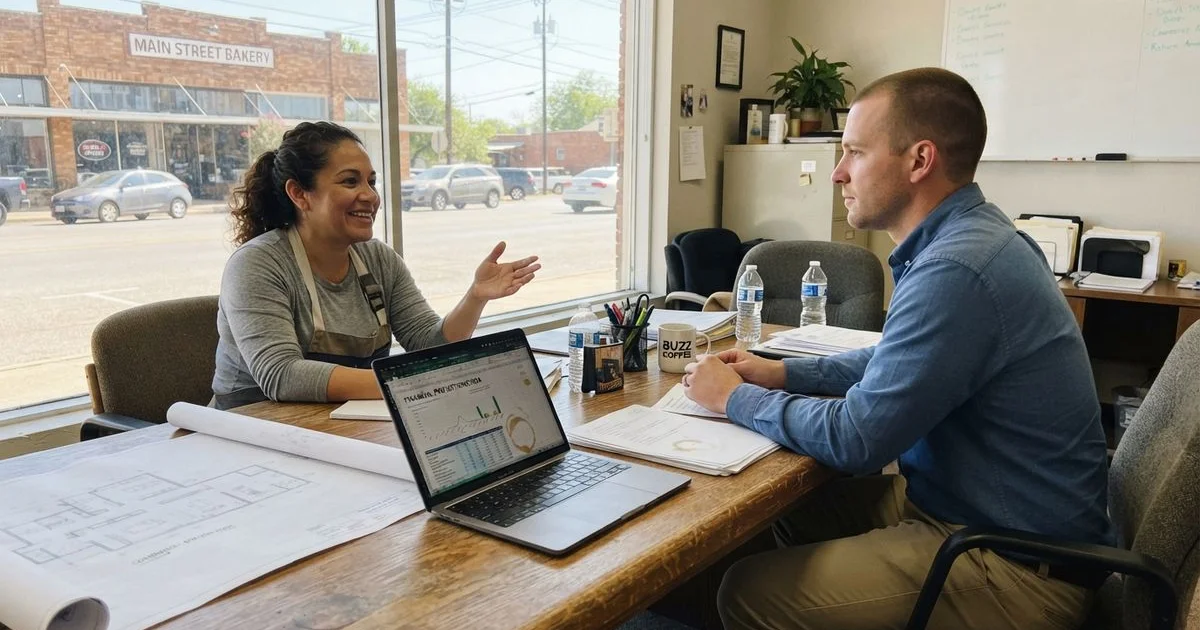
Financing a small business usually comes down to a tradeoff between cost, speed, and how much paperwork you can handle. SBA loans, traditional bank loans, and online lenders each sit at a different point on that tradeoff, and picking the wrong one for your timeline can cost you more than it needed to.
The three main paths
SBA loans are partially guaranteed by the Small Business Administration, which reduces risk for the lender and often results in longer terms and more competitive rates for the borrower. The tradeoff is a slower, more document-heavy approval process.
Traditional bank loans are funded directly by a bank without an SBA guarantee. They can move faster than SBA loans but often want stronger credit and a longer business history to qualify.
Online lenders streamline the application and underwriting process, often approving and funding within days. That speed and flexibility typically comes at a higher cost than a bank or SBA loan.
| Option | Typical speed | Typical cost | Typical qualification bar |
|---|---|---|---|
| SBA loan | Weeks to a few months | Lower, longer terms | Stronger credit, established business |
| Traditional bank loan | Days to a few weeks | Moderate | Established credit and revenue history |
| Online lender | Same day to a few days | Higher | More flexible, works with newer businesses |
How lenders typically weigh your business
Based on the pricing tiers our own business loan payment estimator tool uses as a general reference, lenders often price risk according to how established the business is:
- Strong businesses with two or more years of operation and solid revenue tend to land in the most favorable pricing tier
- Businesses with one to two years of history are typically priced in a middle tier
- New businesses or those with limited financial history usually see the highest pricing tier, reflecting the added risk to the lender
These are general patterns, not a quote. An actual application will confirm your specific rate and terms.
What to have ready before you apply
- Business and personal tax returns, typically the last two years
- Financial statements: profit and loss, balance sheet, and cash flow if available
- A clear explanation of what the financing will be used for
- Business licenses, formation documents, and any existing debt schedules
Matching the option to your situation
If your timeline allows for it and you want the lowest long-term cost, an SBA loan is generally worth pursuing first. If you need funds faster than an SBA or bank timeline allows, or your business does not yet meet a bank’s typical qualification bar, an online lender can bridge that gap, with the understanding that speed and flexibility usually cost more.
Getting started
Once you know roughly which path fits your timeline and qualifications, comparing a few business and commercial lenders side by side helps you see real offers instead of general ranges. The same speed-versus-cost tradeoff shows up in other financing decisions, like weighing whether a debt consolidation loan actually saves money before you borrow. This guide is general information, not financial advice; rates, terms, and qualification standards vary by lender, so confirm specifics directly before applying. See our ranking methodology for how this directory evaluates listings.
Questions people ask
- What is an SBA loan, and is it actually from the government?
- The Small Business Administration does not lend the money directly in most programs; it guarantees a portion of the loan made by a participating lender, which reduces the lender's risk and often results in better terms for the borrower.
- How long does it take to get approved for an SBA loan?
- SBA loans generally take longer than a traditional bank loan or an online lender, often several weeks to a few months, due to the additional documentation and underwriting involved.
- Are online business lenders more expensive than banks?
- Often yes, in exchange for faster funding and more flexible qualification standards. The tradeoff is speed and accessibility versus cost, so it depends on how urgently you need the funds.
- What credit score do I need for a small business loan?
- It varies by lender and loan type. Bank and SBA loans generally want stronger personal and business credit, while some online lenders work with lower scores at a higher cost.