
Buying a home in Texas: mortgage basics before you start shopping
By Petra Nathan · Updated 2026-07-20
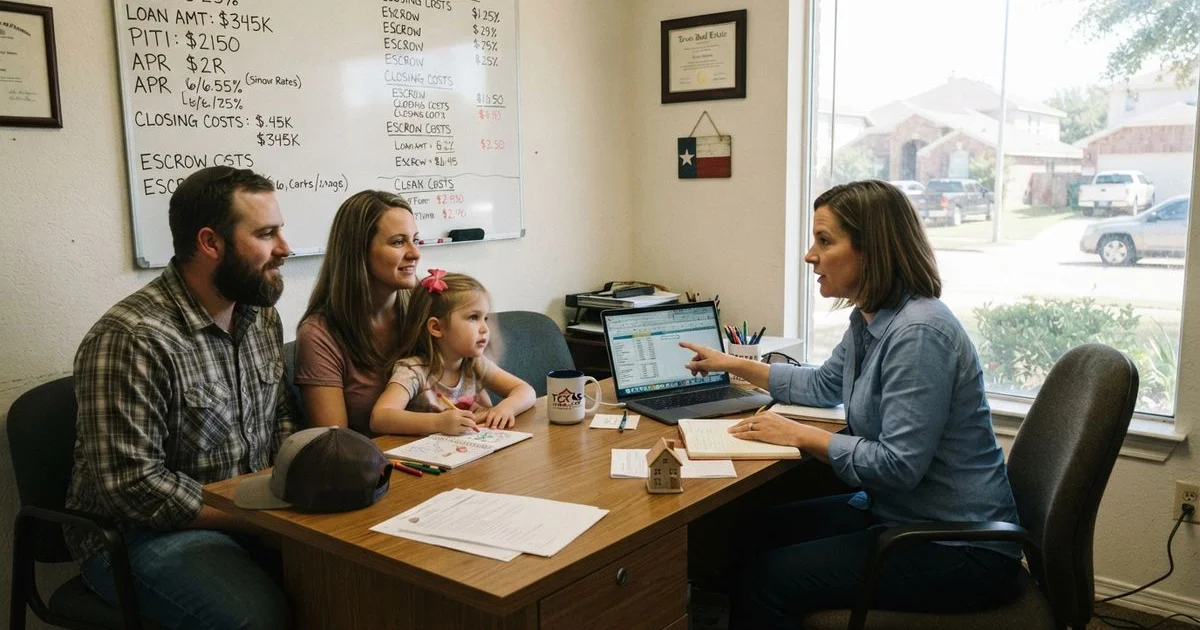
Before you tour a single house, a handful of decisions about the mortgage side will shape which homes are actually realistic for you. Getting a rough handle on these first means fewer surprises once you find a place you want.
The main loan types you’ll run into
Most Texas buyers end up choosing between a few common loan types, each with different down payment and credit requirements:
- Conventional loans: not backed by a government agency, generally want stronger credit, and can avoid mortgage insurance with a 20 percent down payment.
- FHA loans: backed by the Federal Housing Administration, allow lower down payments and more flexible credit, but require mortgage insurance for the life of the loan in most cases.
- VA loans: available to eligible veterans and service members, often with no down payment required.
- USDA loans: for eligible rural and some suburban areas, aimed at moderate-income buyers, also with no down payment in many cases.
Which one fits depends on your credit, your savings, and whether you qualify for VA or USDA programs at all.
What a lender weighs beyond your credit score
Credit score gets the most attention, but lenders look at the fuller picture:
| Factor | What lenders check | Why it matters |
|---|---|---|
| Credit history | Score and payment history | Predicts repayment risk |
| Debt-to-income ratio | Monthly debts vs monthly income | Caps how much you can borrow |
| Employment history | Typically two years, consistent | Shows income stability |
| Down payment and reserves | Cash available at closing | Lowers lender risk, may lower rate |
Costs that are easy to underestimate
The mortgage payment is only part of monthly housing cost. Texas buyers in particular should budget for:
- Property taxes, which tend to run higher than the national average since Texas has no state income tax
- Homeowners insurance, which can run higher in areas with storm or flood exposure
- Mortgage insurance, if your down payment is below the threshold your loan program requires
- Homeowners association dues, if the property has one
- Closing costs, typically 2 to 5 percent of the loan amount
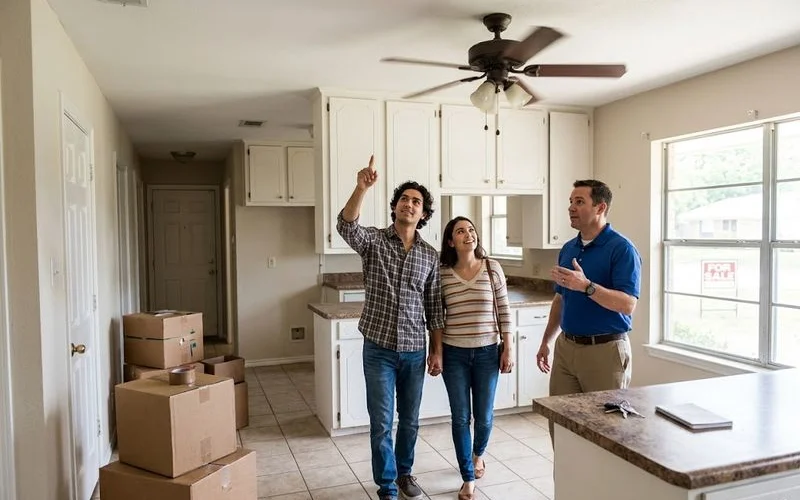
A rough timeline
- Get preapproved so you know your realistic budget
- Tour homes and make an offer within your approved range
- Order an inspection and, once accepted, a lender-ordered appraisal
- Move through underwriting, which verifies everything from the preapproval stage
- Close, typically 30 to 45 days after your offer is accepted
Getting started
Once you have a rough sense of loan type and budget, comparing a few mortgage lenders for rates and closing costs helps you see what a real offer looks like before you are under a contract deadline. This guide is general information, not financial advice; loan programs, rates, and eligibility change often, so confirm current details directly with a lender. You can read about how this directory ranks listings in our ranking methodology. Once you get to the point of an actual offer, the mortgage prequalification vs preapproval guide explains which one you will need and when.
Questions people ask
- What credit score do I need to buy a home in Texas?
- It depends on the loan program. Conventional loans often want a higher score, while government-backed programs like FHA loans can work with lower scores if other parts of your finances are solid.
- How much down payment do I actually need?
- It ranges by program, from 3 to 3.5 percent on some government-backed loans up to 20 percent or more on conventional loans without mortgage insurance. Ask each lender you talk to what their specific programs require.
- Are property taxes higher in Texas?
- Texas has no state income tax, and property tax rates tend to run higher than the national average as a result. Factor your monthly escrow for property taxes into your budget, not just the loan payment.
- How long does closing on a house take in Texas?
- A typical closing runs 30 to 45 days from an accepted offer, assuming appraisal, inspection, and underwriting all go smoothly. Delays usually come from financing conditions or title issues, not the closing itself.